The Essential Guide to Syringes and Needles: History, Uses, Materials, and Benefits
by
EZ Bottles
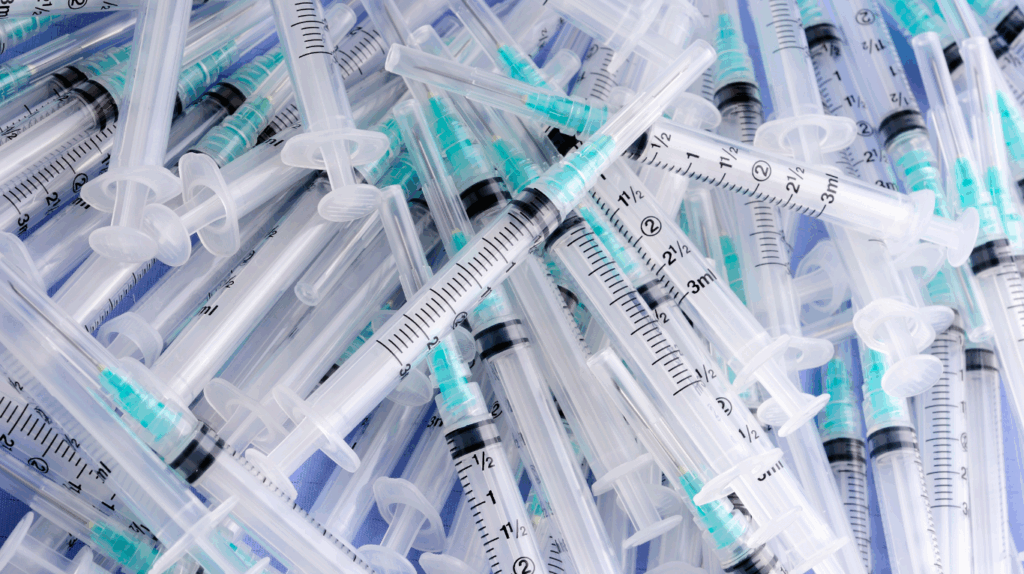
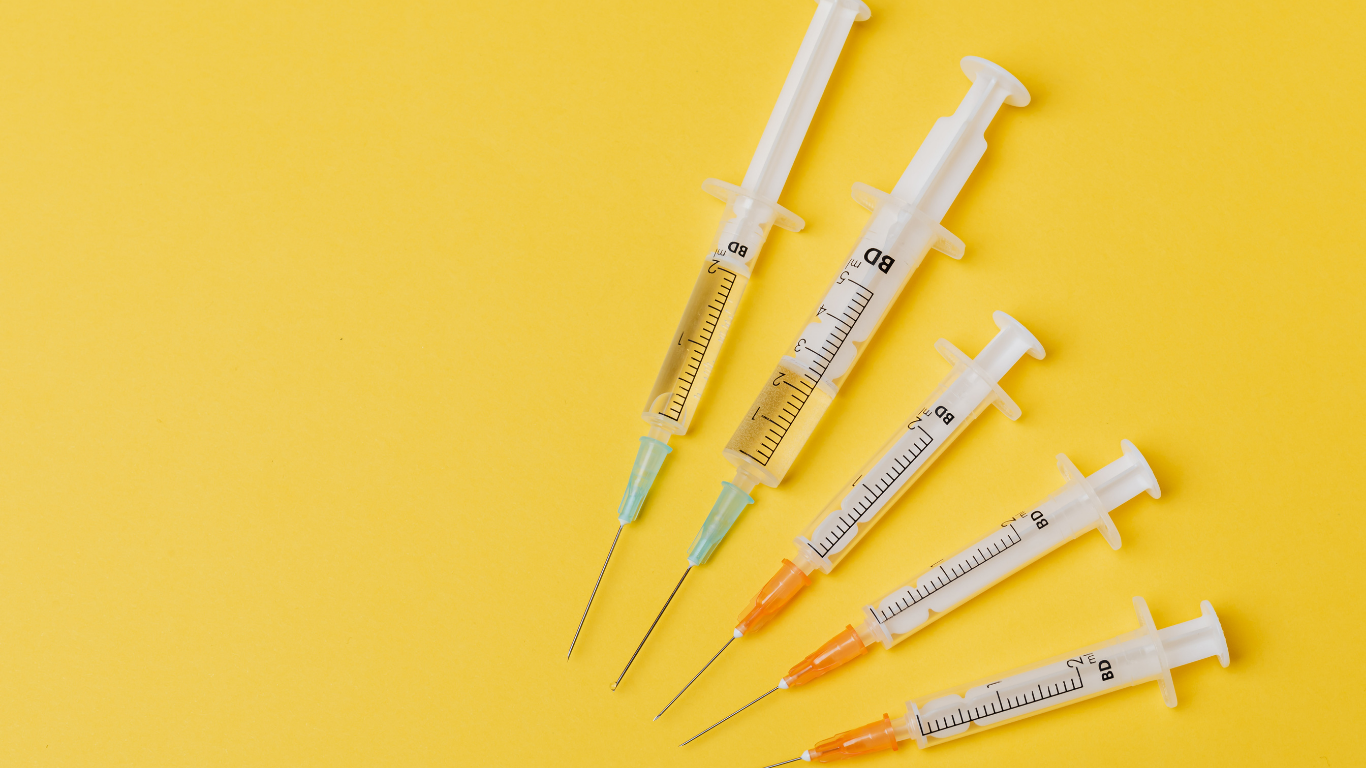
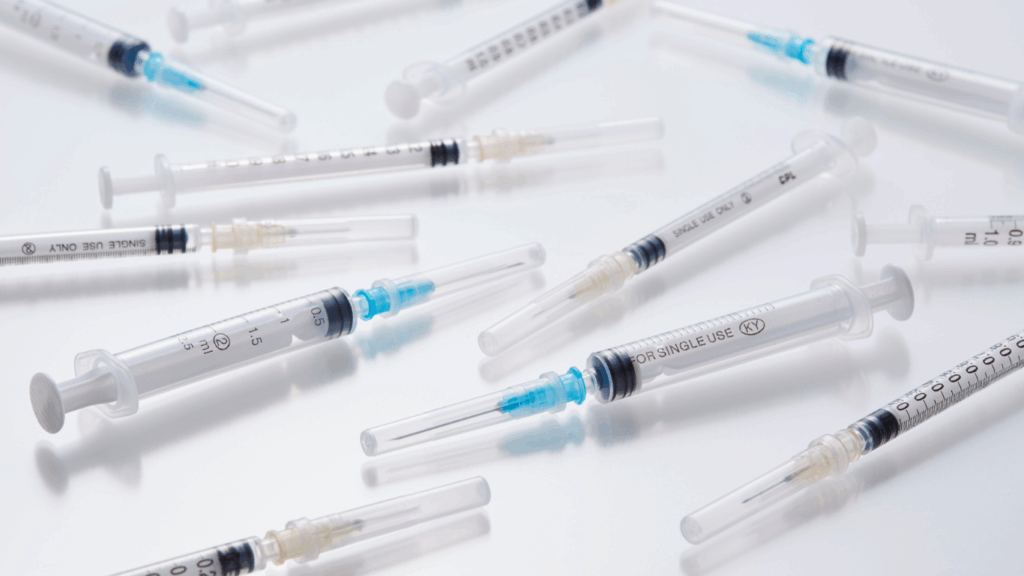
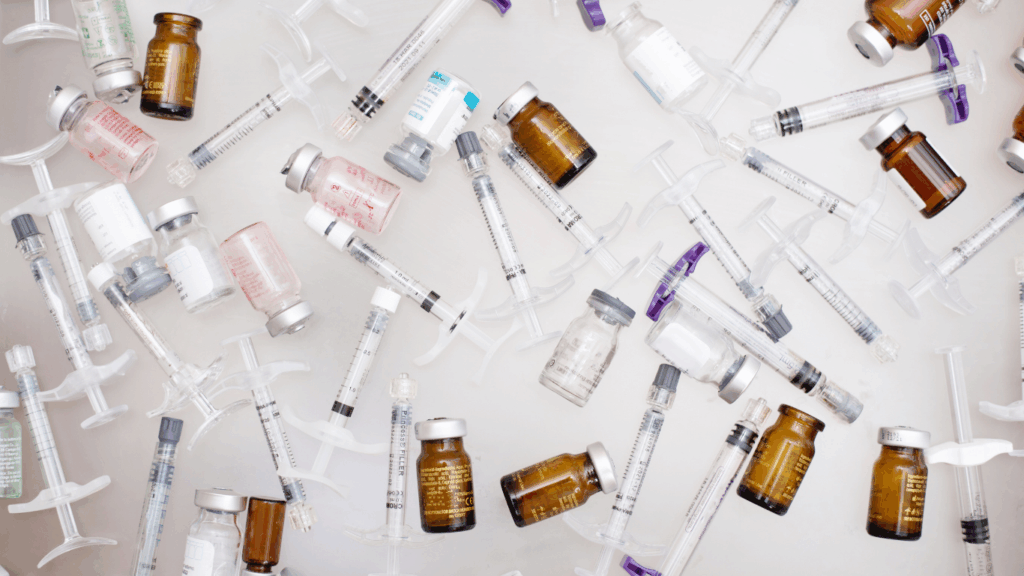
Syringes and needles are fundamental tools in both medical and laboratory settings — essential for precise liquid handling, dosing, and sample collection. At EASYLABZ, we supply premium syringes and needle tips designed for accuracy, safety, and reliability across research, clinical, and industrial applications.
A Brief History of Syringes and Needles
The concept of the syringe dates back to ancient Greece and Rome, where hollow reeds were used to inject fluids. However, the first modern hypodermic syringe was developed in the mid-1800s by Dr. Alexander Wood and Charles Gabriel Pravaz, introducing the idea of a hollow needle attached to a calibrated glass barrel. Over time, advancements in materials and manufacturing precision transformed syringes into sterile, disposable, and highly accurate instruments used worldwide in healthcare, pharmaceuticals, and laboratory research..
Materials and Construction
Modern syringes and needles are available in a variety of materials suited to different needs:
Polypropylene (PP) – Lightweight, durable, and chemically resistant; ideal for disposable and general-purpose syringes.
Glass – Common in research and compounding applications; resists chemical reactions and supports high-temperature sterilization.
Stainless Steel Needles – Used for both sharp and blunt applications; highly resistant to corrosion and ensures smooth, consistent fluid delivery.
Butyl Rubber Plungers – Provide a tight, leak-proof seal and excellent chemical resistance.
At EASYLABZ, we source high-grade, lab-safe materials that ensure optimal performance and compatibility with a wide range of substances.
Common Syringe and Needle Sizes
Choosing the right size ensures precision and safety. Syringes are typically measured by volume, while needles are defined by gauge (G) and length.
Syringe Sizes (volume):
0.3 mL, 0.5 mL, 1 mL – ideal for micro-dosing or peptide research
3 mL to 5 mL – common for medical and lab applications
10 mL to 50 mL – used for solution transfers or mixing larger quantities
Needle Gauge and Length:
Gauge refers to the diameter of the needle: smaller numbers mean a thicker needle (e.g., 18G is thicker than 25G).
Length usually ranges from ½ inch to 1½ inches, depending on the use.
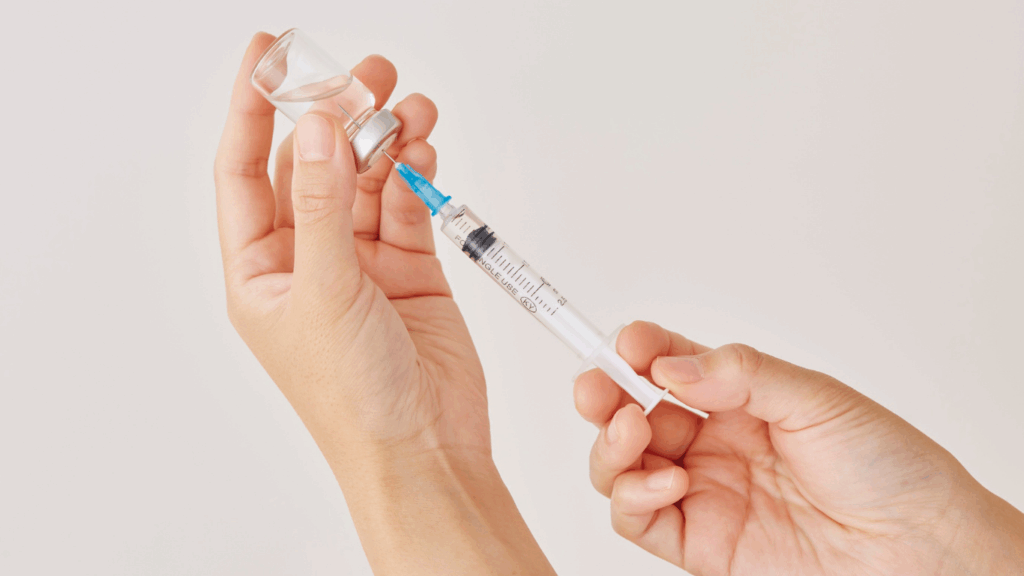
Blunt-tip needles (14G–27G) are often used for lab dispensing and vial transfers, while sharp hypodermic needles are used for injections.
Applications and Uses
Syringes and needles serve many functions beyond medical injections:
Research laboratories – precise measurement and transfer of liquids, peptides, and reagents
Pharmaceutical compounding – accurate preparation of custom medications and sterile solutions
Industrial and chemical testing – controlled dispensing of small fluid volumes
Veterinary and agricultural fields – administering vaccines and treatments
At EASYLABZ, our syringes and needle tips are selected for their accuracy, ease of use, and compatibility across applications.
Benefits of High-Quality Syringes and Needles
Precision and consistency – ensures accurate dosing and measurement every time
Sterility and safety – individually sealed and clean to prevent contamination
Smooth operation – low friction plunger design for effortless control
Versatility – compatible with a wide range of liquids, chemicals, and biological samples
Affordable and reliable – available in bulk packaging for laboratories and medical facilities
SOURCES:
"Glass Packaging: Properties, Handling, and Storage" by The Society of Glass and Ceramic Decorators
"The Science of Glass" by Corning Incorporated
"Glass Science and Technology" by Wiley-VCH Verlag GmbH & Co. KGaA
We use cookies to ensure that we give you the best experience on our website. If you continue to use this site we will assume that you are happy with it.