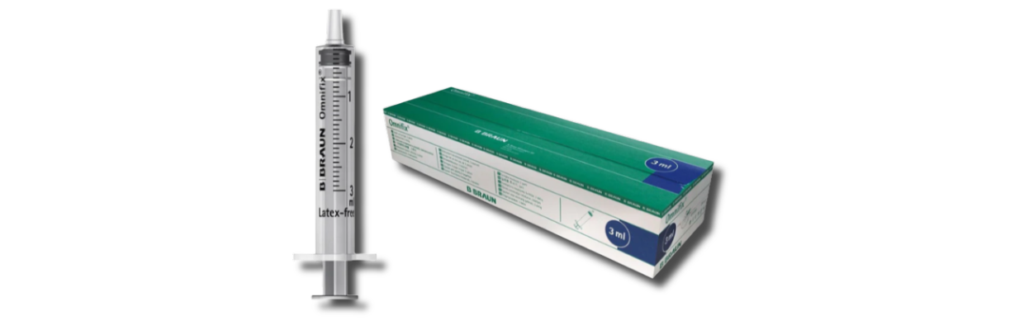
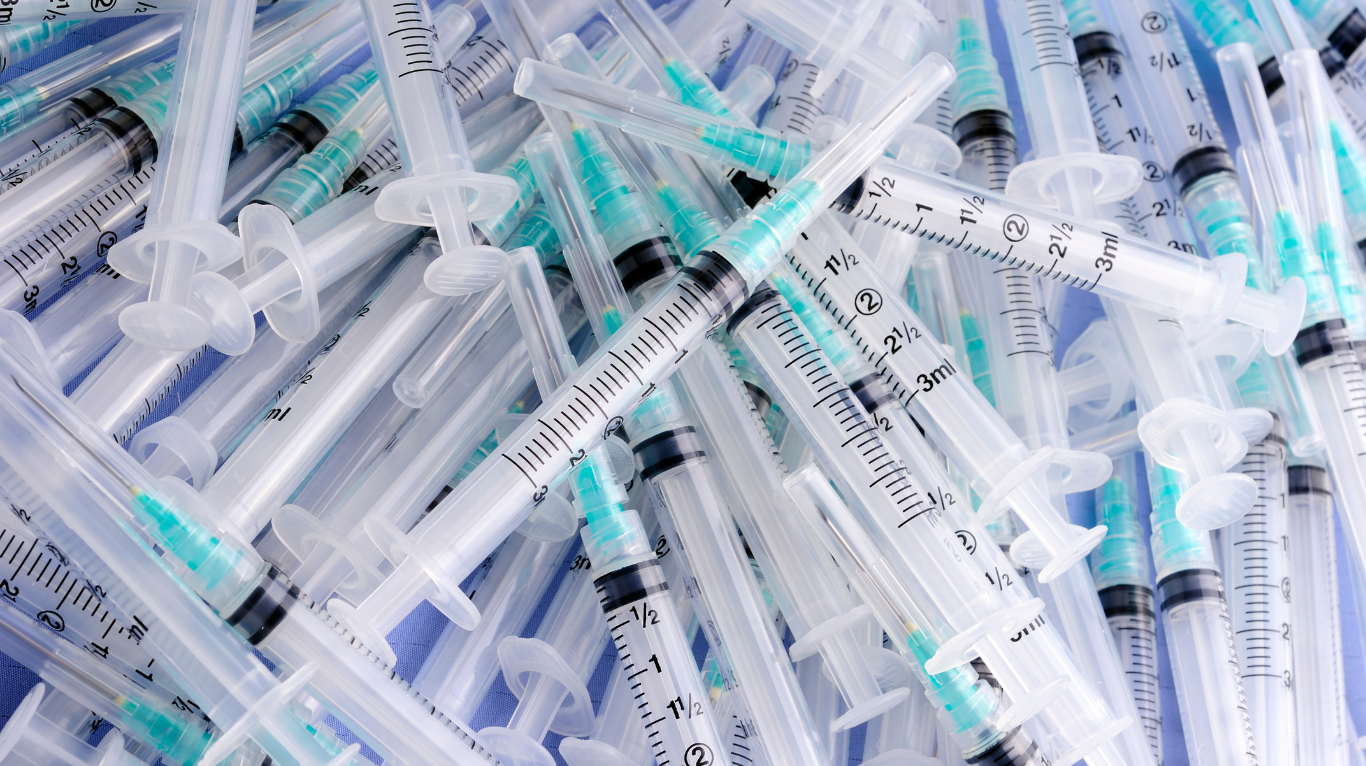
Picking the wrong syringe slows down your work and wastes material. Knowing how to choose the right syringe comes down to three factors: capacity, tip type, and needle pairing. Once you understand these, ordering gets much easier.
Capacity decides how much you can draw at once. Syringes typically range from 1ml to 5ml for most lab tasks. Smaller syringes give you finer control over small volumes. Larger syringes save time when you’re transferring bigger amounts. Match the capacity to your typical draw volume, not your maximum possible one, since oversized syringes make small measurements harder to read accurately.
Tip type affects how the needle attaches. Luer lock tips twist and lock into place, creating a secure connection that resists pressure. Luer slip tips simply push on, which is faster but less secure under force. For research work involving viscous liquids or repeated use, luer lock is usually the safer choice. For quick, low-pressure tasks, luer slip can save a step.
Barrel markings matter more than people expect. Clear, easy-to-read graduations reduce measurement errors. Look for syringes with bold, high-contrast markings, especially if you’re working under lab lighting that washes out faint print. A syringe that’s hard to read slows down every single draw.
Needle gauge should match the syringe, not replace this decision. Choosing a syringe and choosing a needle gauge are two separate steps. Once you’ve picked your syringe size and tip type, match it to a needle gauge based on your fluid’s viscosity. Our needle gauge guide breaks this down if you need a refresher before placing an order.
Oral and general-purpose syringes serve different roles. Oral syringes are designed for measuring and dispensing liquids without a needle attached. They’re useful for precise dosing tasks that don’t require injection. General-purpose syringes, on the other hand, pair with needles for drawing or transferring through a septum. Knowing which category your task falls into narrows your options fast.
Sterility and packaging shouldn’t be an afterthought. Individually sealed, ETO-sterilized syringes protect your samples from contamination. Bulk 100-count packs cut cost per unit for labs running frequent procedures. If you’re ordering for a shared lab space, sealed individual packaging also keeps unopened stock protected between uses.
For most general lab work, a mid-range syringe covers the bulk of your needs. Our 3ml syringe with 22 gauge 1.5 inch needle is a popular starting point because it balances capacity, needle gauge, and luer lock security for general reconstitution and transfer tasks. From there, you can branch into smaller or larger sizes as specific protocols require.
According to the FDA’s guidance on medical device labeling, syringe and needle specifications should always be verified against the manufacturer’s listed use before ordering, since mismatched components increase waste and risk. Taking a moment to confirm capacity, tip type, and gauge before checkout saves a reorder later.
Choosing the right syringe isn’t complicated once you break it into these three decisions. Start with capacity, confirm the tip type fits your workflow, and pair it with the correct needle gauge. That combination covers the vast majority of research lab tasks.