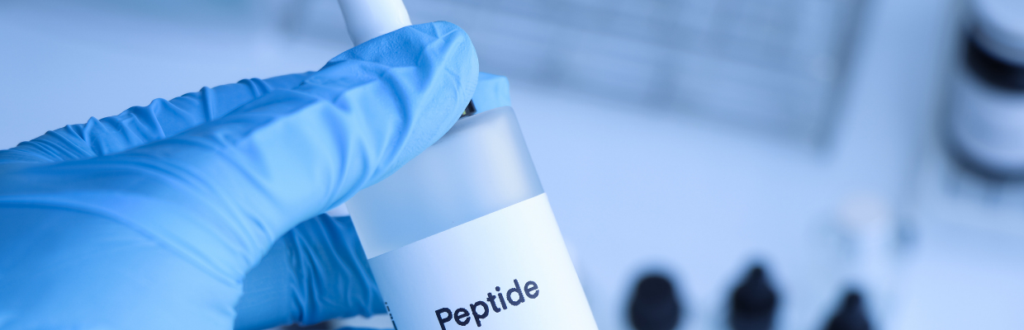
Researchers rely on bacteriostatic water for peptide reconstitution because it keeps lyophilized compounds stable and contamination-free during ongoing lab work. Consequently, this guide walks through the entire process step by step, so your team can reconstitute peptides safely, accurately, and consistently across every batch. Importantly, everything below applies strictly to laboratory and research settings, not human use or clinical administration.
What Is Bacteriostatic Water?
Bacteriostatic water contains 0.9% benzyl alcohol, a preservative that inhibits bacterial growth across multiple withdrawals from the same vial (DailyMed, FDA-approved label). Unlike plain sterile water, it maintains sterility for up to 28 days after you open the vial. As a result, labs prefer it for reconstituting freeze-dried peptides that require several uses over time.
Why Bacteriostatic Water Matters for Peptide Research
Lyophilized peptides degrade quickly once researchers expose them to the wrong solvent or unstable storage conditions. Therefore, choosing the correct diluent protects peptide integrity from the very first step of the protocol. Because benzyl alcohol suppresses microbial growth, it reduces the risk of contamination throughout a multi-use research workflow. Additionally, it supports more accurate, repeatable results across repeated experiments and trials.
Step-by-Step Reconstitution Process
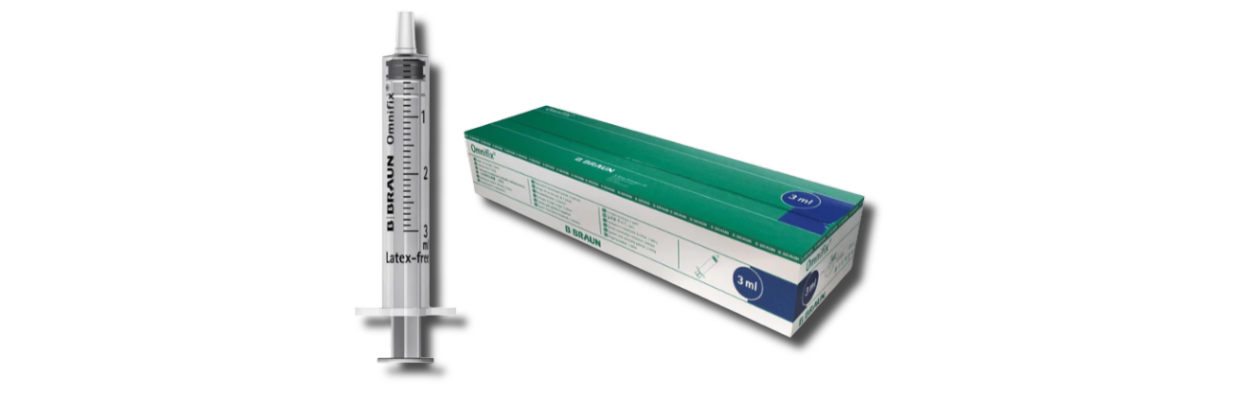
First, gather sterile bacteriostatic water, an alcohol swab, a syringe, and the lyophilized peptide vial. Next, wipe both vial stoppers thoroughly with the alcohol swab to eliminate surface contaminants. Then, draw the appropriate volume of bacteriostatic water into the syringe based on your target concentration. After that, insert the needle at an angle and inject the water slowly down the inside wall of the peptide vial, rather than directly onto the powder. This technique prevents excess foaming and protects the peptide’s structure. Once you finish injecting, gently swirl the vial instead of shaking it, since agitation can denature sensitive peptide chains. Finally, let the solution sit for a few minutes so any remaining powder fully dissolves.
Storage and Handling Best Practices
Once reconstituted, store your peptide solution at 2–8°C and shield it from direct light (Bachem handling guidelines). Meanwhile, keep unreconstituted peptides frozen at −20°C, since lyophilized powder stays stable far longer than a mixed solution. Moreover, label every vial with the reconstitution date, concentration, and solvent used, so your team can track stability windows accurately. Use each reconstituted batch within the compound’s documented stability period, and discard any solution that appears cloudy or discolored.
Common Mistakes to Avoid
Many labs shake vials vigorously, which can break peptide bonds and compromise results. Similarly, using non-bacteriostatic water for multi-dose vials increases contamination risk significantly. In addition, leaving reconstituted peptides at room temperature accelerates degradation, so refrigeration should follow immediately after mixing. Finally, skipping proper documentation makes it difficult to trace inconsistent results back to their source.
Conclusion
In short, bacteriostatic water for peptide reconstitution gives researchers a reliable, sterile method for preparing lyophilized compounds. By following consistent technique, proper storage, and careful documentation, your lab can minimize variability and protect sample integrity.